Let us get rid of your unwanted bird problem
Via Trium utilises a wide array of bird control solutions including netting, spikes, wire systems, lasers, egg and nest treatment, electric deterrents, scaring technologies and trapping.
Our specialist proofing team holds all of the relevant health and safety certificates that enable them to work safely.
Why are birds considered pests?
While many birds are a cherished part of our natural environment, some species have increasingly become a nuisance in urban areas, leading to a growing number of insurance claims directly linked to their activity.
What problems can Birds cause?
Birds and their fouling can transmit potential fatal diseases such as psittacosis, cryptococcosis, aspergillosis, toxoplasmosis and salmonellosis.
Bird infestation can be a source of arthropod infestation such as pigeon fleas, pigeon louse flies, pigeon ticks, red poultry mites, clothes moths, carpet beetles, house moths, mealworm beetles and many more.
Bird fouling can be a slip hazard, it can damage buildings and it looks unsightly.
Gulls can attack nearby people when they have young in their nest.
Gull pecking can damage buildings.
Gulls can peck open rubbish bags creating a mess and can potentially lead to rodent issues.
What are the most common birds found in the UK?

Feral Pigeon
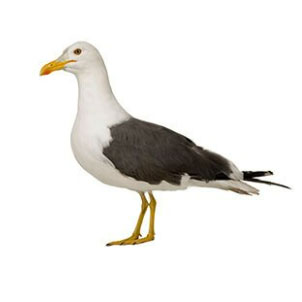
Seagulls

Collard Dove

Starling
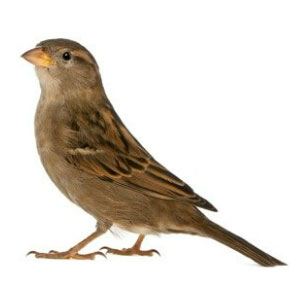
Sparrow
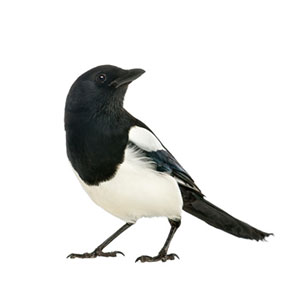
Magpie
Recent Related Case Studies