We can help relocate or remove your bee swarm

There are over 200 bee species in the UK, including 25 types of bumblebees. We’ve listed the most common ones below—each may require a different treatment approach.

Please note: pest controllers only treat bees when there’s a serious risk to human life, as 25% of UK bee species are endangered.
Post-treatment steps depend on the species:

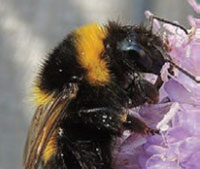
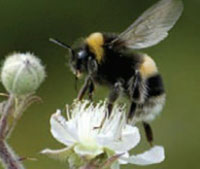
Bumblebees & Tree Bees: Seal access points to prevent contamination and discourage future nesting.

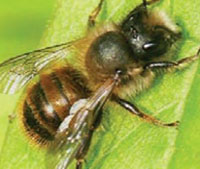
Solitary/Masonry Bees: Re-pointing with solid mortar is essential. Missed gaps will quickly be found by nesting bees.

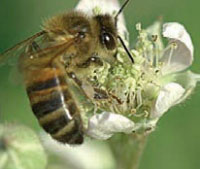
Honey Bees: Block entrance points and remove all honeycomb if possible. Leftover honey attracts robber bees, risking hive contamination.

How to get rid of bees?

Contrary to popular belief bees aren’t protected and can be treated, however, they are endangered so we’d always recommend exploring all other avenues before considering eradication. Below is a step by step guide to assist you:

Leave them alone!

Bees don’t cause any problems to your property, and nor are you in danger of being stung if they are left alone and unprovoked. After the summer season, most bees will go away and not return to the nesting site the following year. By the time a colony has become obvious, its activity will be about to decline naturally. Generally, colonies formed in spring usually decline naturally by late July, if not sooner. Therefore if at all possible always leave bee nests alone to thrive as their presence is actually beneficial for the environment.

Relocation

If a nest is outside or underground then there shouldn’t be a reason to really move it. In more conventional and accessible places such as bushes, trees and sheds, if you suspect you have honeybees and they are causing you problems then we would recommend you contact us to relocate the swarm from your premises.

Eradication

Only if the location of a nest is dangerous and removal not possible, should this step be an option.

The decision to treat will depend if it is possible to close the entrance(s) to the nest after treatment. In this circumstance make sure you use a trained professional. Our trained technicians will have the technical knowledge and access to a range of professional use insecticides which are not available to the public.

Some species of bees in the UK:

Recent Related Case Studies